Are Probiotics Safe for Dogs?
Probiotics have a good safety record in healthy dogs — but "generally safe" isn't the same as "safe for every dog in every situation." This guide covers what the evidence shows, what side effects to expect, and the specific circumstances where you should talk to a veterinarian before starting.
Published 11 August 2026 · Last reviewed August 2026 · Written by the PawBiotix Official editorial team · General educational information, not veterinary advice
The short answer
For healthy dogs, probiotics are generally regarded as safe and well tolerated. The most common effect is a short adjustment period with mild gas or slightly looser stools. The meaningful cautions apply to a narrower group: dogs that are seriously ill or immunocompromised, very young puppies, pregnant dogs, dogs with indwelling medical devices, and dogs on medication. Those dogs should be assessed by a veterinarian first.
What the evidence says
Safety and efficacy are separate questions, and probiotics score better on the first than the second. Across the veterinary literature, probiotic supplementation in healthy dogs is consistently described as well tolerated, with adverse effects that are usually mild, transient and digestive in nature. A systematic review of probiotics in canine gastrointestinal disease and a broader 2025 review of probiotic use in cats and dogs both reflect this pattern: tolerability is rarely the limiting factor; demonstrating benefit is the harder part.
Two caveats are worth stating plainly. First, most safety data comes from studies in generally healthy animals, which is precisely why the cautions below focus on dogs who don't fit that description. Second, safety findings are strain-specific and product-specific, just as efficacy findings are — a good record for one organism doesn't automatically transfer to another.
Possible side effects and the adjustment period
When dogs do react, it's almost always in the first few days and almost always mild:
- Increased gas or borborygmus (audible gut noise)
- Slightly softer or looser stools
- A temporary change in stool frequency
- Mild bloating or a briefly unsettled stomach
- Occasionally, reduced appetite for a day or two — more often a reaction to a new taste or texture than to the organisms
These typically settle as the gut adjusts. Introducing the product gradually — a partial serving for the first few days, building to the full amount — makes the transition smoother for sensitive dogs. If your dog already has loose stools and you're weighing whether a supplement is the right response, that is a separate question we cover in whether probiotics help dogs with diarrhoea.
What is not a normal adjustment: worsening diarrhoea, vomiting, lethargy, itching or facial swelling, or any sign of pain. Those warrant stopping the product and calling your vet.
Dogs that should see a veterinarian first
The theoretical concern with live-organism supplements is that in an animal whose defences are compromised, organisms that are harmless in a healthy gut may not stay harmless. Reports of this are rare, but the caution is standard across human and veterinary medicine and it's the reason for the list below.
Get veterinary clearance before starting a probiotic if your dog
- Is immunocompromised, or receiving chemotherapy or immunosuppressive medication
- Is seriously ill, hospitalised, or recovering from major surgery
- Has an indwelling catheter, feeding tube or other medical device
- Has a diagnosed chronic gastrointestinal condition such as inflammatory bowel disease
- Has pancreatic, liver, kidney or endocrine disease
- Is pregnant or nursing
- Is a very young puppy
- Is taking any prescription medication, including antibiotics
- Is on a prescription or therapeutic diet
This is a "check first" list, not a "never" list. Veterinarians use probiotics in many of these situations — the point is that the decision should be theirs, informed by the specific dog.
Can puppies take probiotics?
Yes, in principle, and puppies are one of the life stages where probiotics are most often discussed. Weaning, diet changes, vaccination stress and the move to a new home all cluster in the same few weeks, and digestive upsets are common. The American Kennel Club's overview of probiotics across life stages discusses this context.
The important caveat is about urgency rather than the supplement itself. Puppies have small reserves and dehydrate quickly, and diarrhoea in a puppy can have causes — parvovirus, parasites, dietary indiscretion — that need prompt veterinary attention. So the rule is: a probiotic can be a reasonable part of routine support for a healthy puppy with your vet's agreement, but it is never the response to a sick puppy. Confirm age-appropriateness and product suitability with your veterinarian before starting.
Can senior dogs take probiotics?
Yes, and they're widely used in older dogs. The microbiome shifts with age, digestive efficiency can decline, and owners often notice changes in stool consistency and appetite over time.
The caution here is different from the puppy one. In a senior dog, new or changing digestive signs are more likely to reflect an underlying condition — kidney disease, liver disease, endocrine disease, inflammatory bowel disease, or a neoplastic process. Reaching for a supplement can delay a diagnosis that matters. Senior dogs are also more likely to be on long-term medication, which makes a veterinary check before adding anything sensible. Get the workup first; consider the supplement second.
Can dogs take human probiotics?
Generally not recommended, for three reasons:
- Different target microbiome. The canine gut has a different bacterial profile from ours — dogs carry far more Fusobacteria, for instance. Strains selected for human guts aren't selected for dogs.
- Doses designed for people. Serving sizes assume a human body weight and human digestion.
- Excipient risk — the serious one. Some human supplements, chewables and powders contain xylitol, which is toxic to dogs and can cause a dangerous drop in blood sugar and liver injury. Other additives may be unsuitable too.
If you're considering a human product for any reason, read the full ingredient list and check it with your veterinarian first.
Product quality is part of safety
With live-organism supplements, what's actually in the container matters as much as what's on the front of it. Independent testing across the pet supplement category has repeatedly found discrepancies between labelled and actual contents, which is a quality-control issue with safety implications as well as efficacy ones.
Practical signals worth checking: strains identified to strain level, potency guaranteed through the expiry date rather than at manufacture, participation in a compliance programme such as the National Animal Supplement Council's, manufacture under good manufacturing practices, and a company that will provide a certificate of analysis on request. Our guide to evaluating dog probiotic supplements works through all of these in detail.

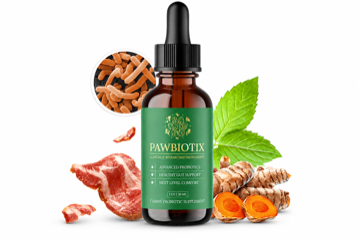
Product context: PawBiotix, the supplement featured on this site, states that its ingredients are tested for purity and screened for contaminants, and it is made for dogs of every breed, age and size. Full strain designations and CFU potency are not published in the official product information, so we don't quote figures for them — check the product label. Nothing in the general safety research described above is a safety finding about this or any other specific product. If you decide a probiotic is right for your dog and want to weigh this one against the criteria above, its full ingredient breakdown and package options are on the product page.

How to introduce a probiotic safely
- Clear it with your vet if your dog appears anywhere on the caution list above.
- Start low. A partial serving for the first three to five days, then build to the full amount.
- Change one thing at a time. Don't start a supplement in the same week as a food change — if something goes wrong, you won't know which caused it.
- Give it with food unless the label says otherwise.
- Store it as directed. Heat, humidity and an unsealed container all reduce viable organism counts.
- Watch the first week. Note stool quality, appetite and comfort. Mild changes are expected; escalating ones are not.
When to stop and call your vet
Stop the supplement and seek veterinary advice if you see
- Diarrhoea that worsens, or lasts beyond about 48 hours
- Blood in stool or vomit, or black, tarry stools
- Repeated vomiting or an inability to keep water down
- Lethargy, weakness, collapse or pale gums
- Facial swelling, hives or intense itching — possible allergic reaction to an ingredient
- Signs of abdominal pain: hunching, a tense abdomen, restlessness, or the "praying" stretch position
- Any new sign in a dog that is already unwell or immunocompromised
A supplement is never the right response to a deteriorating dog. If you're weighing whether something is serious, a phone call to your practice costs nothing and is always the right call. For the wider picture on what healthy digestion looks like and when it warrants investigation, see our dog gut health guide.
Frequently asked questions
Can a dog overdose on probiotics?
Serious harm from a single excessive dose is unlikely in a healthy dog, but too much at once commonly causes gas, loose stools or an unsettled stomach. If your dog eats a large quantity, contact your veterinarian for advice, and mention any other ingredients in the product — added fats, flavourings or sweeteners can matter more than the organisms themselves.
Can probiotics make a dog's diarrhoea worse?
Some dogs have a short adjustment period with slightly looser stools or more gas in the first few days. That typically settles. If diarrhoea clearly worsens, persists beyond a couple of days, or comes with lethargy, vomiting or blood, stop the supplement and contact your veterinarian — the underlying cause needs identifying rather than managing with a supplement.
Should probiotics be given at the same time as antibiotics?
Ask your veterinarian. Antibacterial antibiotics can kill bacterial probiotic organisms, so timing is often separated by a few hours, and some vets prefer a yeast-based option in that context because yeasts are unaffected by antibacterials. This is a case where product choice and timing genuinely matter, so it is worth a specific conversation rather than guesswork.
Are probiotics safe for puppies?
Probiotics are used in puppies, including around weaning and diet changes, and are generally well tolerated. But puppies dehydrate quickly and digestive signs in a young puppy can escalate fast, so any diarrhoea in a puppy is a veterinary matter rather than something to treat with a supplement. Confirm both age-appropriateness and the product with your vet before starting.
Are probiotics safe for senior dogs?
They are commonly given to older dogs and are generally well tolerated. The main caution is different: new digestive signs in a senior dog are more likely to reflect an underlying condition, so the priority is diagnosis rather than supplementation. Senior dogs are also more likely to be on medication, which makes a veterinary check worthwhile before adding anything.
Can I give my dog human probiotics?
It is generally not recommended. Human formulas target a different microbial profile and are dosed for people. More importantly, some human supplements contain xylitol, which is toxic to dogs. Check any human product's full ingredient list with your veterinarian before it goes anywhere near your dog.
Keep reading
- What are probiotics for dogs? — how they work, and what the evidence actually supports.
- How to choose a dog probiotic — the quality signals that make a product worth trusting.
- Dog gut health: a complete guide — the fundamentals, and the red flags that need a vet.
- Product page: safety information on the PawBiotix page, or the full FAQ.
References
- American Kennel Club (AKC). "How Probiotics Work in Every Stage of a Dog's Life." akc.org
- PetMD (vet-verified). "Probiotics for Dogs." petmd.com
- Systematic review: "Clinical effect of probiotics in prevention or treatment of gastrointestinal disease in dogs." PubMed Central. ncbi.nlm.nih.gov
- "Application of Probiotics in Cats and Dogs: Benefits and Mechanisms." Veterinary Sciences, MDPI (2025). mdpi.com
- National Animal Supplement Council — quality and compliance programme. nasc.cc
- U.S. Food and Drug Administration, Center for Veterinary Medicine — animal food and supplement oversight. fda.gov
Editorial note: This guide is general canine-health education, checked against the sources above. It has not been reviewed by an individual veterinarian and is not a substitute for professional veterinary advice, diagnosis or treatment. If your dog is unwell, contact your veterinary practice rather than relying on this or any other web page. See our editorial policy.
Affiliate disclosure: This website contains affiliate links. If you purchase through them we may earn a commission at no additional cost to you. See our disclaimer.